🎃 Halloween Sale – 7% OFF Code: SPOOKY7 | Free Shipping 👻



Best Realistic Baby Dolls That Look Just Like Real Babies


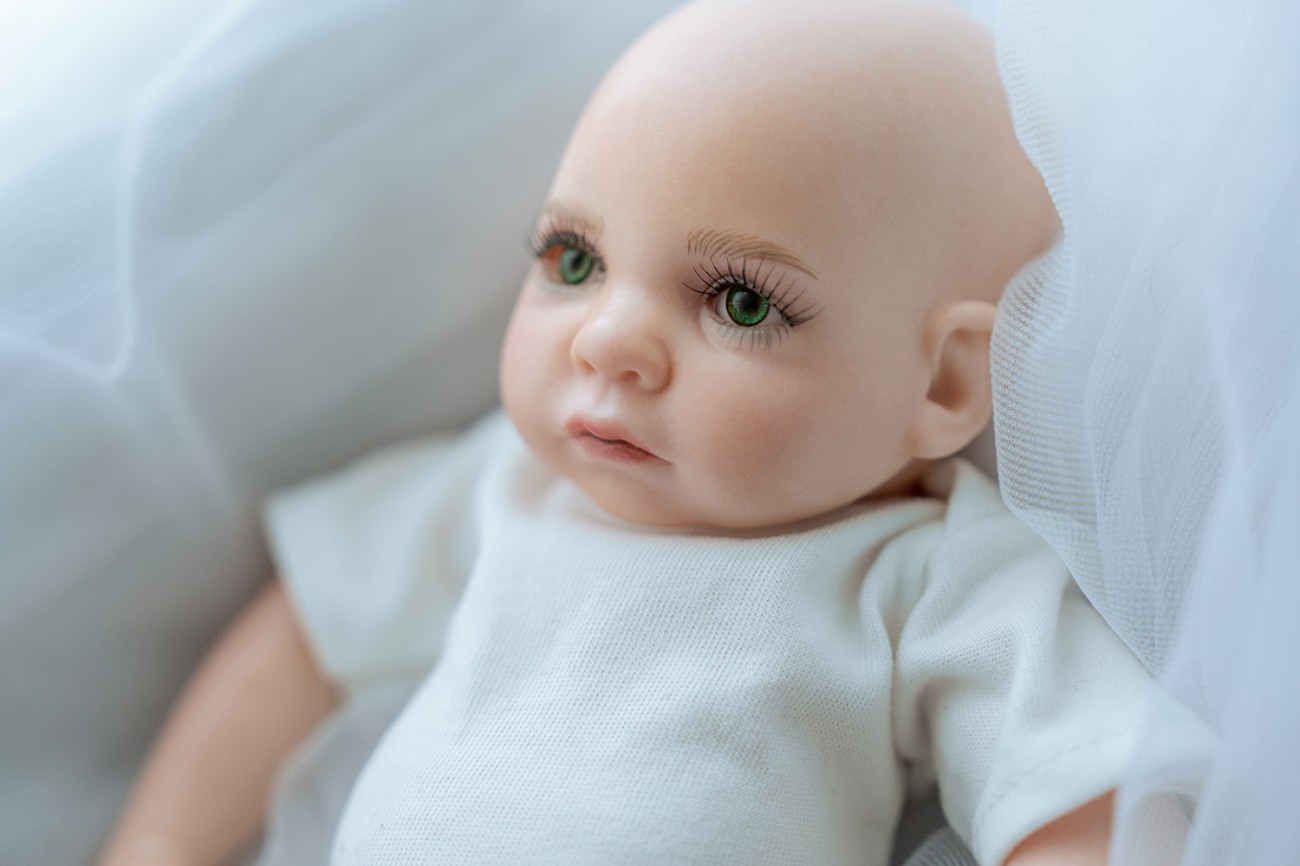
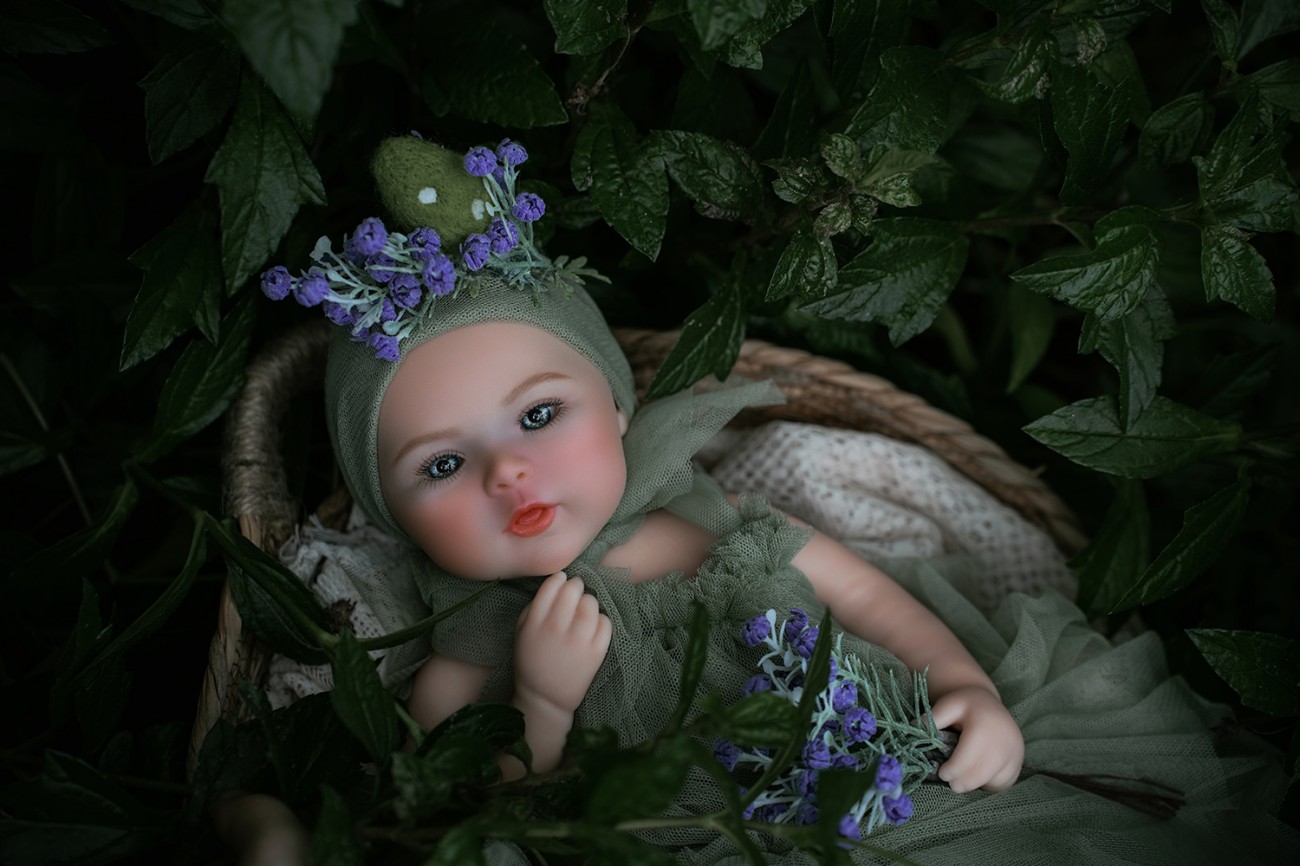
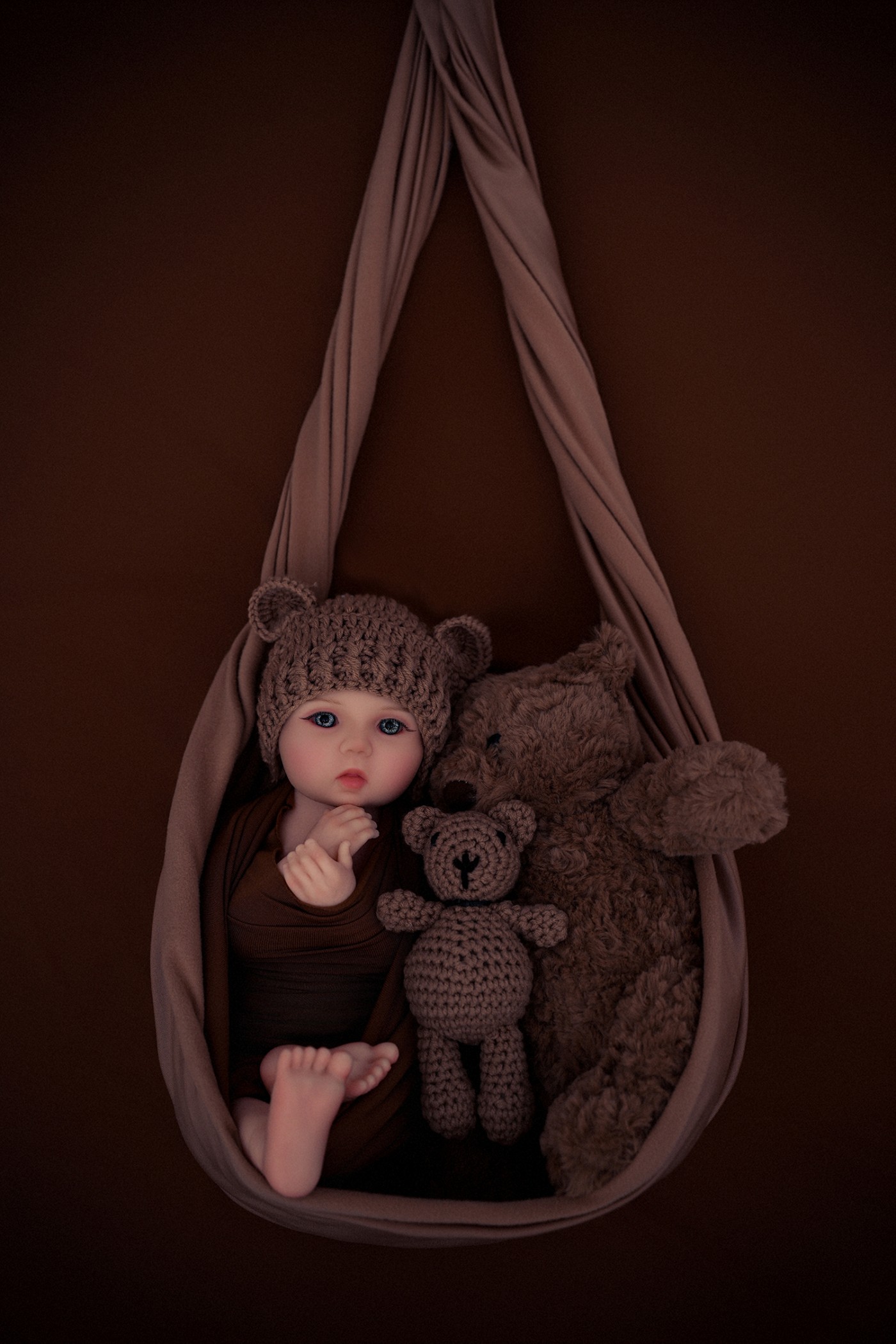
Realistic baby dolls have become incredibly popular among collectors, parents, and gift buyers. Designed with astonishing detail, these dolls closely resemble real infants in appearance, weight, and feel. If you’re searching for premium-quality options, Mk Reborns stands out as a trusted destination for beautifully crafted dolls that look just like real babies.
What Makes Realistic Baby Dolls So Special?
Realistic baby dolls — often known as reborn dolls — are handcrafted to mimic the delicate features of newborn babies. From soft skin tones to hand-rooted hair, every detail is carefully designed to create a lifelike experience unlike any other collectible.
Key Features of Realistic Baby Dolls
- Lifelike Skin Texture: Multiple layers of paint create a natural, baby-like complexion
- Weighted Bodies: Designed to feel like holding a real infant
- Hand-Rooted Hair: Soft and natural-looking hair strands for maximum realism
- Detailed Expressions: Tiny wrinkles, veins, and facial features enhance authenticity
These features make realistic baby dolls not just toys, but treasured keepsakes that collectors and families cherish for years.
Who Can Enjoy Realistic Baby Dolls?
These dolls are loved by people of all ages for a variety of meaningful reasons. Whether you’re a seasoned collector or a first-time buyer, there is a perfect doll waiting for you in the Mk Reborns collection.
Perfect for Every Type of Buyer
- Collectors: Appreciate the artistry, craftsmanship, and uniqueness of each piece
- Parents: Use them for nurturing play or teaching children how to care for a baby
- Therapy Use: Provide comfort and companionship for individuals dealing with anxiety or loneliness
- Gift Buyers: A meaningful and memorable gift for birthdays or special occasions — explore our gift-worthy doll selection
Why Choose Mk Reborns for Realistic Baby Dolls?
Not all realistic baby dolls are created equal. At Mk Reborns, every doll is crafted with exceptional attention to detail — from the carefully painted skin tones to the weighted cloth body that mimics the feel of a real newborn. Our dolls are designed to impress even the most discerning collectors.
We also offer a wide range of reborn doll accessories to complement your doll, including clothing sets, blankets, bottles, and more—everything you need for a complete, authentic experience.
How to judge a realistic baby doll before you buy
Photographs flatter dolls. Studio lighting is soft, the angle is chosen, and the file is retouched. Almost every disappointing purchase in this category comes from judging a doll on a photograph that was designed to be flattering. These are the checks that survive that problem, in the order they matter.
Weight distribution, not total weight
A real newborn does not carry eight pounds evenly. The head is disproportionately heavy, the torso is dense, and the limbs are comparatively light. A doll that reaches the same total by filling the torso with beads feels like a bag of beads; a lighter doll with the mass placed where an infant carries it feels like a baby.
Ask for the finished weight as a number, and ask whether the head, torso and each limb are weighted separately. Makers who do this say so, because it costs them time. A listing that describes weight only in adjectives is usually avoiding the question.
Paint depth
Human skin is translucent: light enters, scatters, and comes back changed. Reborn artists imitate this with many thin layers of heat-set paint, each cured before the next. Three layers look flat in daylight. Fifteen or twenty hold up close, because you are seeing colour from several depths at once.
Four specific markers separate deep painting from shallow painting, and all four are visible in a well-lit close-up:
- Mottling — the faint irregular blue and red patching real newborns have, strongest at knees, elbows and hands. Inexperienced painters leave it out because it looks like a mistake.
- Capillary work — fine veining at the temples and the backs of the hands, painted under later layers so it sits below the surface rather than on it.
- Nail beds — a pale crescent at the base and a warmer tip. Uniformly pink nails are a reliable tell.
- Crease shading — wrists, ankles and neck should be darker inside the fold, not merely sculpted.
The hairline
Mohair is rooted a few strands at a time with a barbed needle, and the direction of insertion decides whether the hair falls naturally. Real infant hair grows forward and slightly downward at the temples and swirls at the crown. Dolls rooted straight down everywhere produce a hairline that looks drawn on — the most common failure in mid-priced dolls and the easiest one to check.
Ask for a photograph of the crown. A maker who roots properly will be glad to send one.
Painted hair is not a lesser option, incidentally. On newborn sculpts, well-painted hair is frequently more convincing than mediocre rooting and is far more durable. Rooting only becomes close to essential on larger sculpts, where the hair is long enough that its behaviour is visible.
The sculpt underneath
All of the above is finishing work, and finishing work has a ceiling set by the sculpt. What makes a sculpt good is mostly asymmetry: real infant faces are not symmetrical, and sculptors who mirror one half to the other produce something subtly wrong that viewers notice but cannot name. When two dolls are equally well painted and one feels alive, asymmetry is usually why.
The second marker is the ear — difficult, rarely photographed, and therefore the first place a hurried sculpt cuts corners. A good ear has a defined antihelix and a real shadow under the tragus.
What breaks the illusion
Realism is fragile. A doll can be excellent in every other respect and still fail on one of these four.
Eyes that are too glossy
Real eyes are wet but not mirror-bright, and the highlight sits in one place rather than several. Over-glossed eyes are the single most common reason a good doll photographs badly.
One colour temperature throughout
Real infants are warmer at the extremities and cooler across the nose bridge and around the mouth. A doll painted at a single colour temperature reads as plastic no matter how many layers went on.
Flat open palms
Newborns hold their hands loosely curled almost all of the time. Sculpts with splayed fingers read as display props, which is historically what they were.
Clothing that fits too well
This one surprises people. Real babies wear clothing that is slightly too big, bunched at the wrist and ankle. A doll in a perfectly tailored outfit reads as a mannequin. Our reborn doll clothing is cut a little generous for exactly this reason, and the size and style guide covers how to measure before ordering.
How much realism do you actually need?
Realism has diminishing returns and rising cost, and the right point on that curve depends entirely on how the doll will be used. It is worth deciding this before comparing prices.
| Use | What matters most | What you can skip |
|---|---|---|
| Display on a shelf | Sculpt quality, paint depth, hairline | Heavy weighting, silicone |
| Held regularly | Weight distribution, material softness | Fine capillary work you will rarely see |
| Photography | Paint depth, eye finish, clothing drape | Weighting, almost entirely |
| Comfort or therapeutic use | Weight, warmth, a size you can hold for an hour | Extreme detail — and bigger is not better |
Buyers who are not sure which of these they are usually learn more from a mid-size, well-weighted, moderately detailed doll than from a premium purchase. Starting in the lifelike reborn dolls range and moving up later is a common and sensible path, and budget reborn dolls exists precisely for a first purchase.
Material: what each one is good at
Vinyl and silicone fail in opposite directions. Vinyl takes a sharper mould and holds fine relief — eyelash follicles, lip texture, the creases across a knuckle — but it is firm and stays cool in the hand. Silicone is soft, warms in about ninety seconds, and squashes correctly when pressed, but it softens the very finest detail and it is heavy and expensive.
Put simply: for a doll that will be looked at, vinyl usually wins; for a doll that will be held, silicone usually wins. There is a growing middle ground of silicone-vinyl hybrids that puts silicone where hands go and vinyl where detail shows.
Our vinyl reborn dolls and full silicone reborn dolls ranges sit at the two ends of that spectrum, and the complete material guide works through the trade-off in detail.
What ages well and what does not
Some choices look excellent on arrival and poor after three years, which matters if you intend to keep the doll.
Ages well: heat-set paint under a matte sealer, glass or high-quality acrylic eyes, mohair rooted at moderate density, quality cotton bodies.
Ages badly: heavy gloss varnish, which yellows; synthetic hair, which frizzes permanently after one wash; very dense rooting, which loosens as the vinyl relaxes; and any doll kept in direct light, where blush tones shift first at the cheeks and knees.
Our artistry protection guide covers storage and long-term care in more depth.
A seven-point buying checklist
- Ask for the finished weight in pounds, as a number.
- Ask for one unedited daylight photograph, no filter.
- Ask for a close-up of the crown of the head, and one of an ear.
- Check the hands are loosely curled rather than flat.
- Check the eye finish is satin rather than mirror-gloss.
- Confirm which sealer was used, and that it is matte.
- Confirm the age marking — and treat any doll with rooted hair or magnetic accessories as unsuitable for unsupervised young children.
A seller who answers all seven without hesitation is almost always worth buying from. A seller who answers none is not, whatever the price.
Going deeper
If you want to understand the craft rather than the shortlist, these go further:
- Dolls that look like real babies: a collector’s guide — skin layering, rooting and weighting explained
- Play-grade vs collector-grade reborns — what the price difference actually buys
- Reborn toddler dolls and baby dolls for toddlers — if you are buying for a child rather than for yourself
Frequently asked questions
What makes a baby doll look real?
In order of impact: correct weight distribution, layered translucent skin painting, a naturally directed hairline, and loosely curled hands. Price correlates with realism far less reliably than these four specifics do.
Are silicone or vinyl baby dolls more realistic?
Silicone feels more realistic to the touch and warms in the hand; vinyl holds finer sculpted detail and takes paint better. Choose silicone if the doll will be held and vinyl if it will mostly be seen.
How heavy should a realistic baby doll be?
An 18 to 20 inch newborn sculpt should finish at around 4 to 6 lbs, weighted so the head and torso carry most of the mass. A heavy but evenly filled doll feels less real than a lighter, correctly distributed one.
Why do cheaper realistic baby dolls look wrong in photographs?
Usually two reasons: too few paint layers, so the skin has no depth under direct light, and over-glossed eyes, which produce several hard highlights. Both show in a well-lit close-up, so ask for one.
Are realistic baby dolls suitable for children?
Reborn dolls are collectible pieces with rooted hair, painted finishes and small accessories, typically age-marked 3+ or 14+. Supervised handling by an older child is fine; for a child under five, choose a purpose-made play doll of 10 to 16 inches with moulded hair and no small parts.
Final Thoughts
Choosing the best realistic baby dolls means focusing on craftsmanship, authenticity, and emotional connection. Mk Reborns delivers exceptional quality, making each doll look and feel just like a real baby. Whether you’re a collector or searching for a meaningful gift, these lifelike dolls are sure to impress.
Browse our full collection of realistic baby dolls today and experience the artistry that makes Mk Reborns the most trusted name in reborn collectibles.